For Turkish businesses in Uzbekistan
Make your warehouse stock match your records
From fabric rolls to sofa sets, from ceramic pallets to boxes of trims, we count everything in the warehouse physically, set it against the balance in your 1C or ERP and show where each difference comes from, item by item.
- Counted by roll, carton, pallet and set
- A variance table ready to send to head office
- Count day planned around your shifts
- Metres, kg, m² and pieces tracked separately
- Records by lot, colour and shade
- Factories, warehouses, stores and branches
- Scope and price fixed in a written quote
Industries
Every warehouse is different, so the method is too
A roll of fabric and a pallet of ceramic tiles, a sofa set and a steel profile are not counted the same way.
- Textile and garment manufacturing
- Building materials
- Furniture and home goods stores
- Wholesale and distribution warehouses
- E-commerce and online sales
- Logistics and 3PL
Services
Counting services built around your industry
From the raw-material room of a factory to the back store of a shop, what is counted, and in which unit, is agreed before anyone picks up a scanner.
Factory warehouse count
We count raw-material, semi-finished and finished-goods areas separately. Fabric rolls are recorded by metres and lot, trims and packaging by piece, and every line uses the unit on the item card.
RequestSubcontracted and in-production material
We count material waiting on the cutting table, in the workshop or at a subcontractor and compare it with the issue slips. Stock that exists only on paper usually shows up here.
RequestBuilding materials yard and warehouse
For ceramics, profiles, paint and insulation we convert between pallet, carton, m² and kg according to the item card, and count the open yard together with the covered warehouse.
RequestFurniture and showroom count
Multi-part products are tracked as one item: we match every carton of a sofa set and list incomplete sets, damaged goods and display pieces separately.
RequestStore and branch stock audit
We review inter-branch transfer slips, returns and damage records to find which movement caused the gap between a store and the head-office records.
RequestLabels, barcodes and item list clean-up
We reduce mixed or duplicate items found during the count to a single code, apply barcodes and labels where needed and help you tidy the item list in 1C or your ERP.
Request
Process
How a count runs
Who does what is written down at every stage, and the warehouse does not have to close.
- 01
First meeting and warehouse walk
We walk the warehouse, note which items are held in metres, kg, m² or pieces, and see which program holds your records.
- 02
Count calendar
We pick the count day around your production and dispatch plan, assign zones to teams and close the last receipts and issues with you before that day.
- 03
Counting on site
When one team finishes a zone, another team does a check count; lines that do not agree are counted again the same day.
- 04
Facing the records
We place the counted quantity next to the balance in 1C, Excel or your ERP and sort the differences into unposted slips, wrong items and genuine shortages.
- 05
Report and next steps
You receive the variance table, a draft count certificate and a written list of what to do so the same difference does not return at the next count.
Why StockSystem
We take the figure from the shelf to head office
The number management sees should equal what is on the shelf. Our method brings the two together in the same unit and the same record structure.
An independent figure for head office
When management in Turkey follows stock from a distance, a count made by someone other than the warehouse team reduces arguments when decisions are taken.
Units do not get mixed up
Conversion between metres, kilograms, m², cartons and pieces follows the item card, so one product is not counted in two units and recorded twice.
Lot and colour stay visible
Colour and lot for fabric, shade and calibre for ceramics, model and fabric code for furniture are recorded as separate lines.
It fits your calendar
Count days and hours are set together with your production and dispatch calendar, and we work nights or weekends when needed.
Your commercial data stays protected
Balances, prices and supplier details fall under the confidentiality clause of the contract and are used only for this job.
A local team that speaks the local language
The counting team is from Uzbekistan: it talks to your warehouse staff in Uzbek and Russian and matches the Russian and Uzbek item names in 1C with what it sees on site.
Pricing
See your budget in advance
The number of items, the type of service and the working time all change the result; the choices below give an approximate amount in US dollars.
Number of items (SKU)
Services
Working time
Estimated amount (USD)
≈ $900
Send a request with this calculationThis is a preliminary budget. We confirm the final amount in a written quote after the warehouse walk.
Deliverables
Documents you receive
Each document is prepared for the person who will use it: accounting, the warehouse manager and management.
Item-level variance table
Code, name, lot and unit; recorded quantity, counted quantity, difference and likely cause on one line.
Correction list
A list prepared in the import layout of your system to correct the stock record to match the count.
Count certificate with signature page
A zone-by-zone summary of results with signature fields for the people who performed and approved the count.
Head-office summary
The largest variances, their weight in value and the recommended actions on a single page.
Clients
Our clients
Companies that trust us with their warehouses.

News
News and articles
Useful reads on warehouses, stock counts and audits.
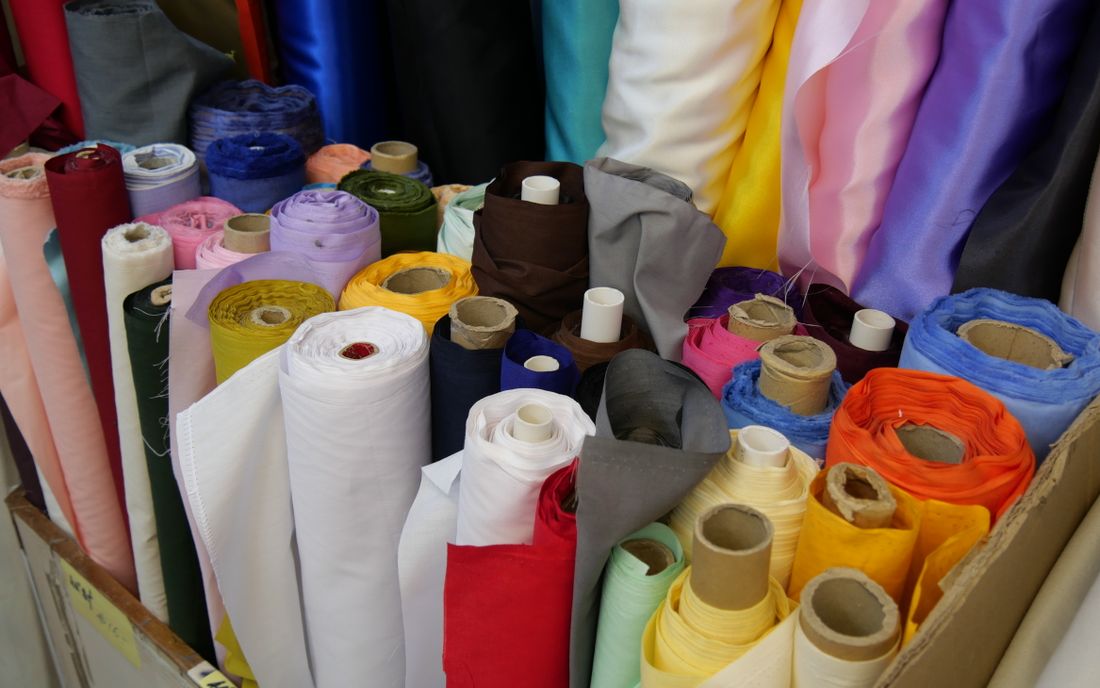 Counting fabric rolls: metres, kilograms and roll labelsThe same roll shows up in metres, kilograms and rolls. How to count fabric from labels and measurements and bring the result into line with the record.
 A stock report for head office in Turkey: what it should showWhat does management in Turkey need from a stock report? A practical layout: one-page summary, net and gross variance, valuation and a detail table.
 Ceramic tiles: tracking lot, shade and calibre in stock recordsWhen tiles of different shade and calibre sit on one stock line, sellable stock is overstated. How to record them with pallet, carton and m² conversion.
 Furniture sets: matching every carton to one sellable itemA sofa set is one item in the record but several cartons in the warehouse. How to match cartons by set code and separate complete from incomplete sets.
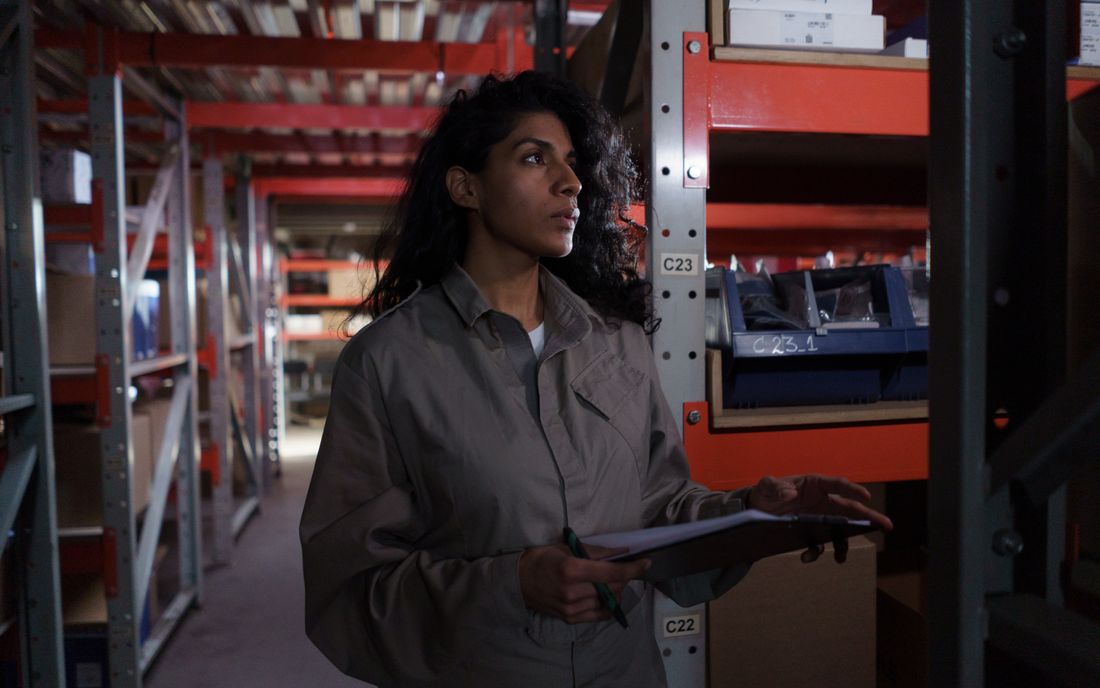 Where stock variances come from: a practical classificationNot every count variance is a loss. A review order for ruling out timing differences, wrong items, unit errors and other causes before calling it a shortage.
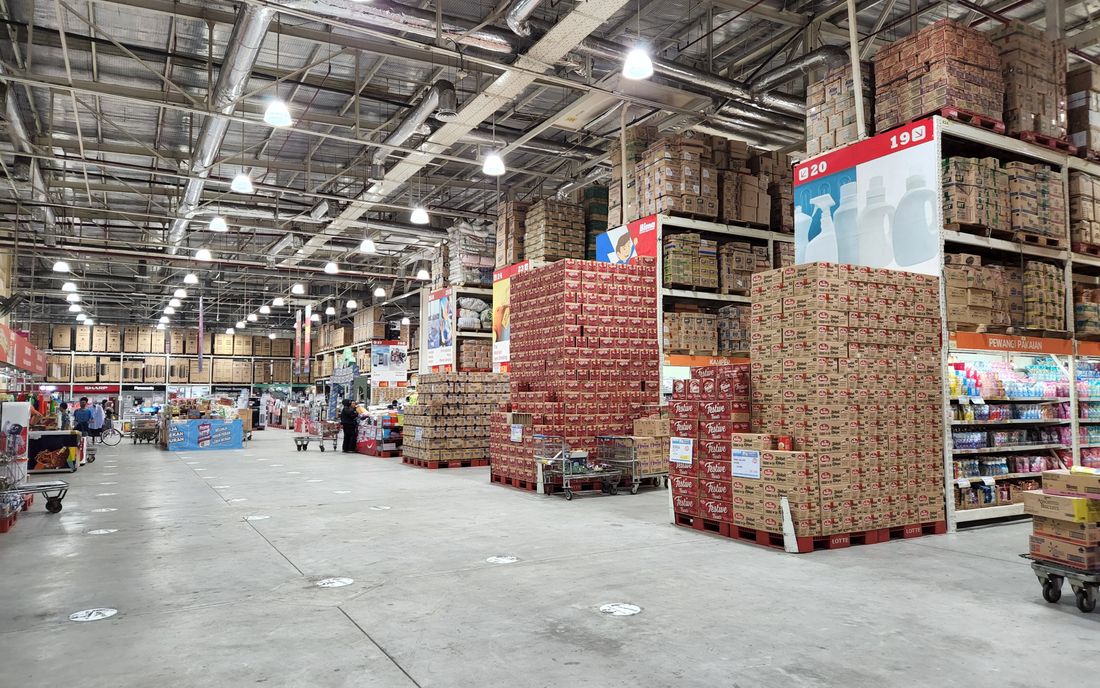 A Turkish manufacturer's first-year warehouse checklist in UzbekistanIn a new warehouse, codes, units and documents settle in the first months. A period-by-period checklist for month one, the first quarter, the first count and year end.
FAQ
Questions warehouse managers ask
How do you count fabric rolls and stock held in metres?
We first take the number of rolls and then the metres or kilograms per roll from the label or the record card. For rolls without a label, or opened or cut ones, we measure the real quantity and write the result in the unit on the item card. The report shows the recorded unit and the quantity found on site side by side.
How do m², cartons and pallets reconcile for items like ceramic tiles?
How many m² a carton holds and how many cartons a pallet holds comes from the item card. We count in cartons and pallets and convert to m² ourselves. Lots with a different shade or calibre are kept on separate lines.
How do you find a missing carton in a multi-part furniture set?
A carton list is drawn up for each set and the cartons are matched by label. Complete sets are counted as one item; incomplete sets are listed separately together with the carton that could not be found.
Is material we send to a subcontractor included in the count?
Yes. We compare material waiting at the subcontractor or in the workshop with the issue slips and the actual position. If we have to visit the subcontractor, that scope is written into the quote separately.
What happens if the same product is recorded under different names in 1C?
During the count we mark records that belong to the same product by code, barcode and appearance and give you a list of duplicated items. The decision to merge them, and posting the correction in the system, stays with you.
What should we prepare for the count day?
A current stock list (an Excel export is enough), a simple warehouse sketch showing zone names and one responsible person to answer questions on the day. We ask you to close the last receipts and issues before the count.
What determines the price?
The number of items, the services requested and the working time. The calculator on the site gives a preliminary budget in US dollars; the exact amount is fixed in a written quote after we have seen the warehouse. Travel and accommodation for sites outside Tashkent are written as a separate line.
How and in which language do the results reach us?
The variance table comes as Excel, and the summary and certificate as PDF, by e-mail. The language and layout of the files are agreed together at the contract stage.
Do you trust the stock figure you send to head office?
Send us the figure or give us a call; we will review the warehouse together and suggest the counting method that suits it.
Contact
Tell us about your warehouse and we will pick the method
Tell us your industry, the number of warehouses and roughly how many items you hold; we will clarify the details by phone.
- 1We have a short introductory call
- 2We walk the warehouse and put the scope in writing
- 3We set the count day around your calendar
- Phone+998 91 644 07 02
- Emailinfo@stocksystem.uz
- Telegram@SarvarBerdiev13
- Address122/2 Makhtumkuli St, Apt 2, Yashnobod District, Tashkent